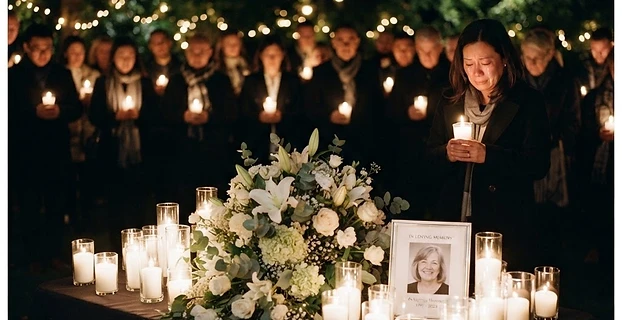
What Is a Eulogy?
A eulogy is a speech or written tribute that honors a person who has passed. It is a speaking of the life that was — the names, the faces, the memories, the meaning — in a way that allows the living to hear the departed one last time. The word comes from Greek, meaning a speaking of praise, and at its core a eulogy is an act of praise.
How to Begin
The most common struggle in writing a eulogy is not what to say but how to begin. The blankness of the page is overwhelming. Here are some starting points:
- Begin with a memory: Recall a specific moment that was deeply meaningful.
- Begin with the name: Speak the name. It is the most important word.
- Begin with the relationship: How you knew them, what they were in your life.
- Begin with a story: A story about who they were, what they did, what they gave.
What to Include
A eulogy that truly honors includes:
- The name: Spoken with reverence.
- The relationship: How you knew the person, what they were in your life.
- The life: The stories, the moments, the meaning of who they were.
- The loss: A gentle acknowledgment of the passing, without dwelling.
- The gratitude: What they gave, what they taught, what they left behind.
What to Avoid
A eulogy is not a eulogy for the wrong person. It is not a place for humor at the wrong time, for criticism, for dwelling on the loss in a way that makes it the focus. The focus is the life that was, not the death that is.
The Length
A eulogy can be as long or as short as it needs to be. Three minutes is a common length, but the right length is the one that feels complete. A eulogy that is too long becomes a burden; one that is too short can feel perfunctory. The right length is the one that allows the living to hear the departed one last time, and then to rest.