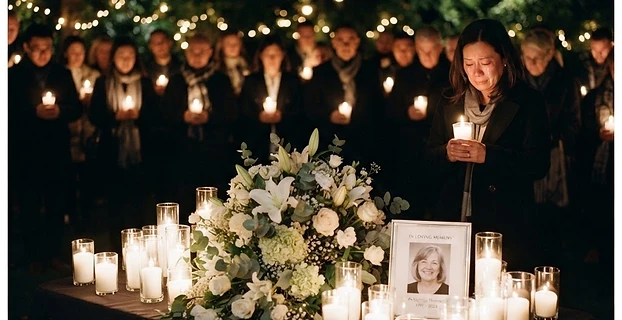
The Origin of the Candle Vigil
The candle vigil is one of the oldest and most enduring rituals of grief. It originated in Ireland, where the Irish vigil — a candle lit beside the body of the deceased and held burning until the body was taken away — became a practice that carried meaning across cultures and centuries.
In its original form, the candle was lit at the moment of departure, and it was held burning until the body was brought to the place of resting. It was a light left burning in honor — a flame that kindled in remembrance and was allowed to burn until it spent itself.
What the Candle Carries
A candle is more than a light source. It is a flame — the closest thing to fire, the element that humans have used since ancient times to mark the passage of life. A candle burning beside a life that has ended is a light left burning in honor, a flame that speaks of a life that was, and a light that still burns in the night.
The candle provides something that grief most needs: a presence. The presence of a flame is a way of being there, of standing beside, of holding the light of what was. It is an act of remembrance that does not require words.
How to Hold a Candle Vigil
If you are holding a candle vigil:
- Choose a candle that carries meaning: A pillar candle, a votive, or a candle that has been part of your family's traditions.
- Light it at the moment of honor: The lighting is the beginning of the vigil — the kindling of a flame in remembrance.
- Hold it burning: Let the candle burn until it spent itself. Do not extinguish it.
- Gather around it: The vigil is not only the candle but the gathering — the being present together beside the light.
In the Digital Metasphere
In the Aeternum metasphere, you can light a virtual candle at a digital memorial — a flame that kindles in the night of the internet and carries the same meaning that the candle at a graveside carries. It is a light left burning in honor, in a place that does not fade.