What Are Funerary Rites?
Funerary rites are the ceremonial practices that honor a life that has ended. The word itself derives from "funerary," meaning belonging to a funeral, but the practices they carry carry meaning back through millennia of human history.
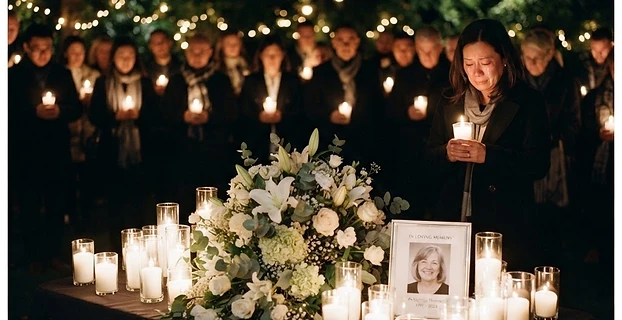
At their core, these rites are rituals performed to honor, remember, and find meaning in the passing of a loved one. They include the lighting of candles, the speaking of prayers, the laying of wreaths, the holding of vigils, and the communal gathering of family and friends in a shared act of reverence.
The History of Remembrance Rituals
The practice of ritualized remembrance predates modern funerals by centuries. In many cultures, the vigil — a period of sitting beside the departed — was the central act of honor. The candle vigil, where a candle is lit and held burning beside the body of the deceased, originated in Ireland and has spread across cultures as one of the most enduring rituals of grief.
Ancient cultures practiced forms of remembrance that included offerings at the resting place of the departed, the speaking of names, and the communal gathering that allowed the living to witness the end of a life together. These practices carried meaning that words alone could not.
Why Rituals Matter in Grief
Rituals are not merely ceremonies — they are acts that help the bereaved find a path through grief. Research in psychology shows that families who engage in meaningful remembrance rituals experience less prolonged grief than those who do not. The act itself — the lighting, the speaking, the gathering — carries meaning that words alone cannot.
The structure of a ritual provides something that grief most needs: a sense of order. Grief is often experienced as chaos, as the feeling that everything has come undone. A ritual, even a simple one, gives the bereaved a way back — a sequence of steps, a beginning and an end, a purpose.
Creating Your Own Rites
You can create your own funerary rites that are meaningful to your family. The key is intentionality: choose acts that carry meaning, perform them with reverence, and allow them to become part of your ongoing journey of remembrance. There is no wrong way to grieve, only the way that is yours.