Where to Begin
Planning a funeral ceremony is one of the most emotionally complex tasks a family faces. It involves honoring a life that has ended while creating a space for the living to grieve, remember, and find meaning. The process can be overwhelming, but there are steps that can help you navigate it with intention.
Key Decisions to Make
When planning a meaningful funeral, consider the following elements:
- The setting: Where will the ceremony take place? Many choose a graveside, a chapel, a church, or a family home.
- The readings and prayers: Will there be prayers, eulogies, or readings that carry meaning for the family?
- The gathering: Who will be present? The gathering itself is a powerful act of shared grief.
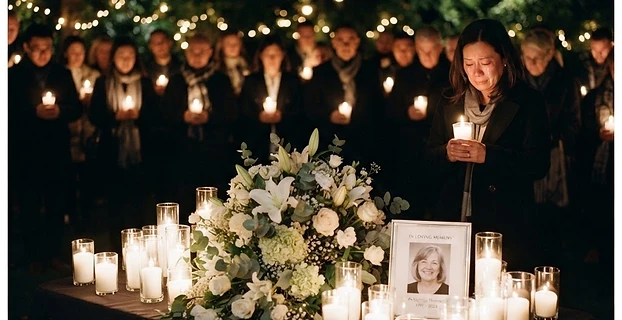
- The rituals: What remembrance rituals will be performed — candles, flowers, the laying of remains, or other personal acts of honor?
- The music: Music, whether hymns or quiet songs, can carry meaning deeper than words.
The Role of the Gathering
The gathering of family and friends is not merely attendance — it is a shared act of grief and honor. Being present together allows the living to see each other in their hardest hours, to hold each other, to share the weight of what is unsharable alone.
Honoring the Individual
The most important principle in planning a funeral is honoring the individual who has passed. Every life is different, every loss is different, and the ceremony should reflect that. There is no formula — only the intention to honor.
Professional Guidance
For families who need support, grief counselors, officiants, and funeral directors can help guide the process. They provide structure, language, and experience that can help you navigate what is often an overwhelming time. The right guidance can make the ceremony a place of honor rather than simply a formal event.